
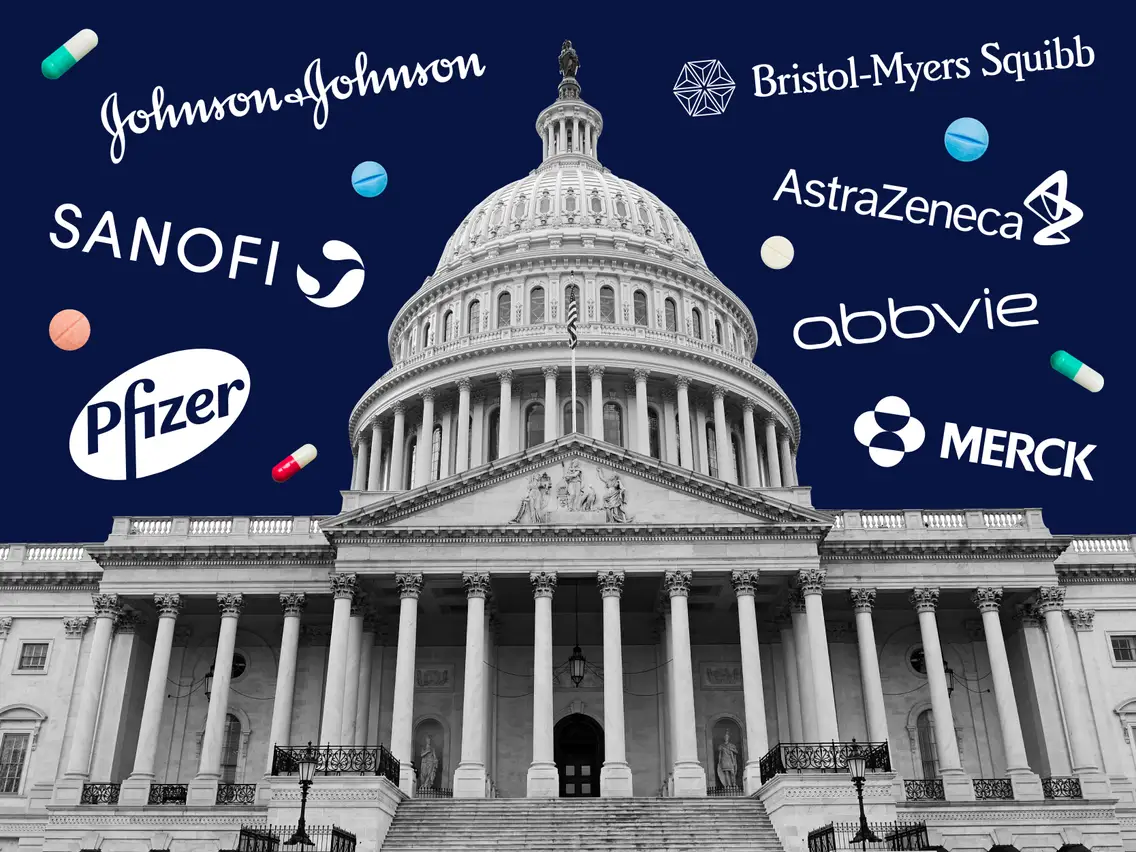
The American healthcare system is often touted as one of the most advanced in the world. However, beneath the surface lies a disturbing reality: a complex web of collusion involving Big Pharma, the FDA, Congress, and shadow organizations like LegitScript. These entities, ostensibly created to protect public health, are in reality prioritizing corporate profits over individual rights and access to affordable healthcare. This article exposes how these powerful groups manipulate regulations, lobby against public interests, and violate our constitutional rights to make healthcare choices.
Big Pharma’s Influence and Lobbying Efforts
Financial Power and Political Clout
Big Pharma wields enormous financial power, spending billions on lobbying to influence legislation in their favor. In 2020 alone, the pharmaceutical industry spent over $306 million on lobbying efforts, more than any other industry. This financial clout ensures that drug prices remain high and competition from generic drugs is stifled.
Key Lobbying Organizations
- Pharmaceutical Research and Manufacturers of America (PhRMA): This organization represents the country’s leading biopharmaceutical research companies and has a powerful lobbying presence in Washington, D.C..
- Biotechnology Innovation Organization (BIO): Another major lobbying group that represents biotechnology companies, BIO spends millions annually to influence drug pricing and patent laws.
- American Medical Association (AMA): While primarily a physicians’ group, the AMA also lobbies heavily for policies that align with Big Pharma’s interests.
FDA’s Complicity
User Fees and Regulatory Capture
The FDA, tasked with ensuring drug safety and efficacy, is significantly funded by the very companies it regulates. Approximately 75% of the FDA’s drug review budget comes from user fees paid by pharmaceutical companies. This creates a conflict of interest where the FDA’s regulatory actions can be influenced by the financial contributions of Big Pharma, leading to biased approvals and enforcement actions.
Blocking Affordable Medications
The FDA’s stringent regulations often block the importation of affordable generic medications from countries like India, despite these drugs meeting international quality standards. This regulatory barrier maintains high drug prices in the U.S., benefiting Big Pharma at the expense of consumers (Tulip).
Congressional Collusion
Campaign Contributions and Legislative Influence
Members of Congress receive substantial campaign contributions from pharmaceutical companies. In return, they often support legislation that favors Big Pharma, such as extending patent protections and opposing drug price negotiations for Medicare.
Legislative Examples
- 21st Century Cures Act: This law, while aiming to accelerate medical product development, has been criticized for lowering standards for drug approvals, benefiting pharmaceutical companies at the expense of patient safety.
- Blocking Generic Competition: Congress has historically opposed measures that would facilitate the entry of generic drugs into the market, thereby keeping drug prices high.
Shadow Organizations and Pseudo-Regulators
LegitScript and Similar Entities
LegitScript, a private organization, ostensibly regulates online pharmacies to protect consumers. However, its criteria are heavily influenced by Big Pharma, leading to the exclusion of affordable, legitimate pharmacies from the market. Payment processors like Visa, MasterCard, PayPal, and Venmo rely on LegitScript’s certification to block transactions with these pharmacies.
Other Influential Groups
- Partnership for Safe Medicines: Funded by Big Pharma, this organization campaigns against drug importation, promoting the narrative that foreign drugs are unsafe.
- Alliance for Safe Online Pharmacies (ASOP): Another Big Pharma-funded group, ASOP works to limit access to international online pharmacies under the guise of protecting consumers from counterfeit drugs.
Violation of Constitutional Rights
Right to Healthcare and Informed Choices
The Constitution implicitly guarantees the right to life, liberty, and the pursuit of happiness. Access to affordable healthcare is a fundamental aspect of this right. By blocking access to affordable medications and manipulating regulatory frameworks, these entities violate our constitutional rights and restrict our ability to make informed healthcare choices.
Economic Enslavement
High drug prices force Americans into economic hardship, creating a form of modern slavery where individuals are bound to Big Pharma’s pricing schemes. This economic burden limits freedom and exacerbates health disparities.
Digital Censorship and Payment Blockades
Google, Microsoft, and the Suppression of Information
Big Tech companies like Google and Microsoft have been influenced by Big Pharma to restrict information about affordable generic medications from India. Under the guise of protecting consumers, these companies have been pressured to de-index websites and block ads for online pharmacies that do not meet specific criteria set by LegitScript and other pseudo-regulators.
Payment Processor Restrictions
Visa, MasterCard, PayPal, and Venmo have clauses in their terms of service that restrict the use of their platforms for purchasing pharmaceuticals, legal or otherwise. These restrictions are heavily influenced by lobbying efforts from Big Pharma, ensuring that consumers cannot use these convenient payment methods to purchase affordable medications from reputable international sources.
ICANN and Domain Seizures
ICANN, the organization responsible for domain name management, has been known to seize and take down websites that are flagged by pseudo-regulatory organizations like LegitScript. These actions are often justified under the premise of protecting consumers from counterfeit drugs, but they serve to eliminate competition and maintain high drug prices.
Breaking the Chains: Advocating for Change
Transparency and Accountability
It is crucial to demand greater transparency in the relationship between Big Pharma, regulatory agencies, and legislators. Public funding of elections could reduce the influence of corporate money, ensuring that lawmakers are accountable to their constituents rather than their donors.
Reforming Regulatory Practices
Reforming the FDA’s funding structure to reduce dependence on pharmaceutical companies and enhancing international cooperation for drug approvals can help mitigate the influence of Big Pharma.
Supporting Legitimate Online Pharmacies
Promoting and supporting verified online pharmacies that provide affordable medications can help break the monopoly of Big Pharma and increase access to essential drugs.
Conclusion
The collusion between Big Pharma, the FDA, Congress, and shadow organizations like LegitScript highlights a fundamental betrayal of public trust and constitutional rights. By exposing these practices and advocating for meaningful reforms, we can reclaim our healthcare system and ensure that it serves the needs of the people, not corporate interests. It is time to break the chains of Big Pharma’s influence and demand a fair and equitable healthcare system for all.
References:
- “Pharmaceutical Industry Lobbying.” OpenSecrets. Retrieved from OpenSecrets.org.
- “FDA User Fees and Pharmaceutical Influence.” PubMed. Retrieved from PubMed.
- “The 21st Century Cures Act and Its Impact.” National Center for Biotechnology Information. Retrieved from NCBI.nlm.nih.gov.
- “LegitScript and Its Role in Online Pharmacy Regulation.” PharmacyChecker Blog. Retrieved from PharmacyCheckerBlog.com.
- “Alliance for Safe Online Pharmacies (ASOP) Funding.” SafePharmacies. Retrieved from SafePharmacies.com.
- “Partnership for Safe Medicines.” PSM Website. Retrieved from SafeMedicines.org.
- “ICANN and Domain Seizures.” Internet Corporation for Assigned Names and Numbers. Retrieved from ICANN.org.
- “Impact of Payment Processor Restrictions on Online Pharmacies.” Journal of Medical Internet Research. Retrieved from JMIR.org.
- “Google and Microsoft Ad Policies.” Google Ads Policies. Retrieved from Google.com.
- “The Role of Payment Processors in Limiting Access to Pharmaceuticals.” Financial Times. Retrieved from FT.com.