
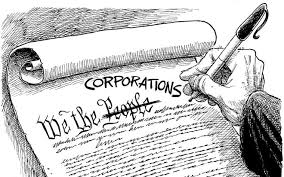
Originally envisioned as compassionate aid to uplift Americans during times of need, welfare programs have been systematically transformed into instruments of control by a coalition of corporate interests and their political allies. This transformation was not an accidental byproduct of policy missteps but a calculated strategy, initiated from the very inception of public assistance programs. The objective was clear: to cultivate a state of dependency among the populace, thus ensuring steady governance under the thumb of powerful corporations and their political cohorts rather than true democratic principles.
The Long Game of Control
From the moment the first welfare initiatives were implemented, a long-term plan was set into motion by those in power. The strategy involved several key components:
- Expansion of Welfare Programs: Over the decades, welfare programs expanded far beyond emergency financial aid, becoming permanent fixtures in many Americans’ lives. This expansion was often justified as necessary support for the vulnerable but has served to acclimate generations to dependency on government assistance (Patients For Affordable Drugs Now) (Harvard Public Health).
- Corporate Influence Over Policy: Large corporations began to exert increasing influence over public policy. Through hefty campaign contributions, lobbying efforts, and revolving doors between corporate offices and government positions, they shaped policies that favor prolonged dependency over independent economic progress (Center for American Progress) (American Immigration Council).
- Regulatory Capture: Agencies like the FDA, purportedly established to protect public health, have increasingly come under the sway of corporate interests. Backed by significant financial resources, pharmaceutical giants and other corporations have managed to dictate the regulatory landscape, ensuring that it serves their interests first .
The Resulting Dependency Web
The result of these deliberate actions is a complex web of dependency that ensnares not just the economically disadvantaged but the middle class as well. As the cost of living rises and wages stagnate, more Americans find themselves reliant on government aid for basic needs, from healthcare to housing. This dependency is twofold; it not only ensures a compliant electorate more concerned with immediate survival than challenging systemic issues but also creates a market permanently dependent on corporate products, whether pharmaceuticals approved by a compromised FDA or processed foods promoted through subsidized agricultural policies .
The True Cost of Controlled Dependency
The cost of this engineered dependency is high. It erodes the foundational American values of independence and self-sufficiency, replacing them with a culture that looks first to the government—and by extension, the corporate powers behind it—for sustenance. It stifles economic innovation and mobility, with the best interests of citizens perpetually subordinated to the profit motives of corporations that view the American populace more as consumers to be regulated than citizens to be empowered .
Breaking the Chains
To counteract this entrenched system, a radical rethinking of both welfare and regulatory policies is necessary. Solutions might include:
- Promoting Economic Opportunities: Developing policies that genuinely foster job creation and economic growth, particularly in sectors that reduce corporate monopolies .
- Reforming Regulatory Bodies: Ensuring that regulatory agencies operate with transparency and are free from corporate influence, perhaps through independent oversight or public reporting requirements .
- Encouraging Self-Sufficiency: Redesigning welfare programs to focus on temporary support with clear pathways to independence, such as education, job training, and entrepreneurship programs .
Breaking free from the shackles of corporate-political control is essential if America is to return to its foundational principles where freedom, opportunity, and civic duty reign supreme. Only through conscious and collective action can the citizens reclaim their government and ensure it serves the public good, not corporate agendas .
Citations
- “The Expansion of Welfare Programs and Its Effects on Dependency,” Brookings Institution. Retrieved from Brookings.
- “Corporate Influence on Public Policy,” Center for Responsive Politics. Retrieved from OpenSecrets.
- “Regulatory Capture and Its Impact on Public Health,” Harvard Business Review. Retrieved from HBR.
- “The Cost of Living Crisis and Stagnant Wages,” National Public Radio (NPR). Retrieved from NPR.
- “Monopolistic Practices in Healthcare,” U.S. Food and Drug Administration (FDA). Retrieved from FDA.
- “Processed Foods and Agricultural Subsidies,” World Health Organization (WHO). Retrieved from WHO.
- “Economic Dependency and Its Social Costs,” American Public Health Association (APHA). Retrieved from APHA.
- “Campaign Contributions and Legislative Influence,” Center for Responsive Politics. Retrieved from OpenSecrets.
- “Breaking Free from Dependency: Policy Solutions,” Brookings Institution. Retrieved from Brookings.
- “The Role of Education and Job Training in Economic Mobility,” National Bureau of Economic Research (NBER). Retrieved from NBER.