
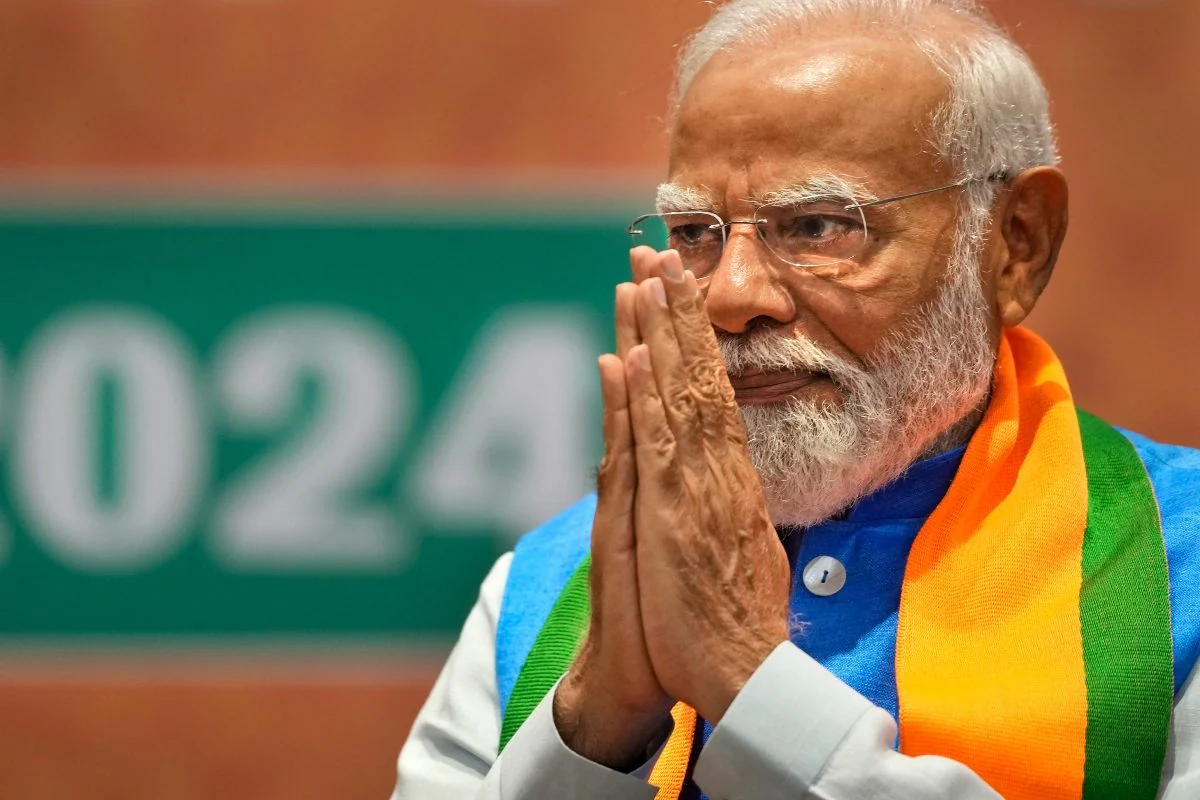
Prime Minister Narendra Modi’s directive for all Indian pharmaceutical manufacturing plants to achieve WHO Good Manufacturing Practices (GMP) certification by the end of 2023 has been met with significant resistance from certain segments of the industry. A notable example is the Pundrug Research Foundation, formed by a coalition of Punjab-based pharmaceutical manufacturers. This group is actively opposing the Schedule M mandate, arguing that the upgrades required to meet WHO standards are financially and logistically burdensome.
The Pundrug Research Foundation: A Coalition of Resistance
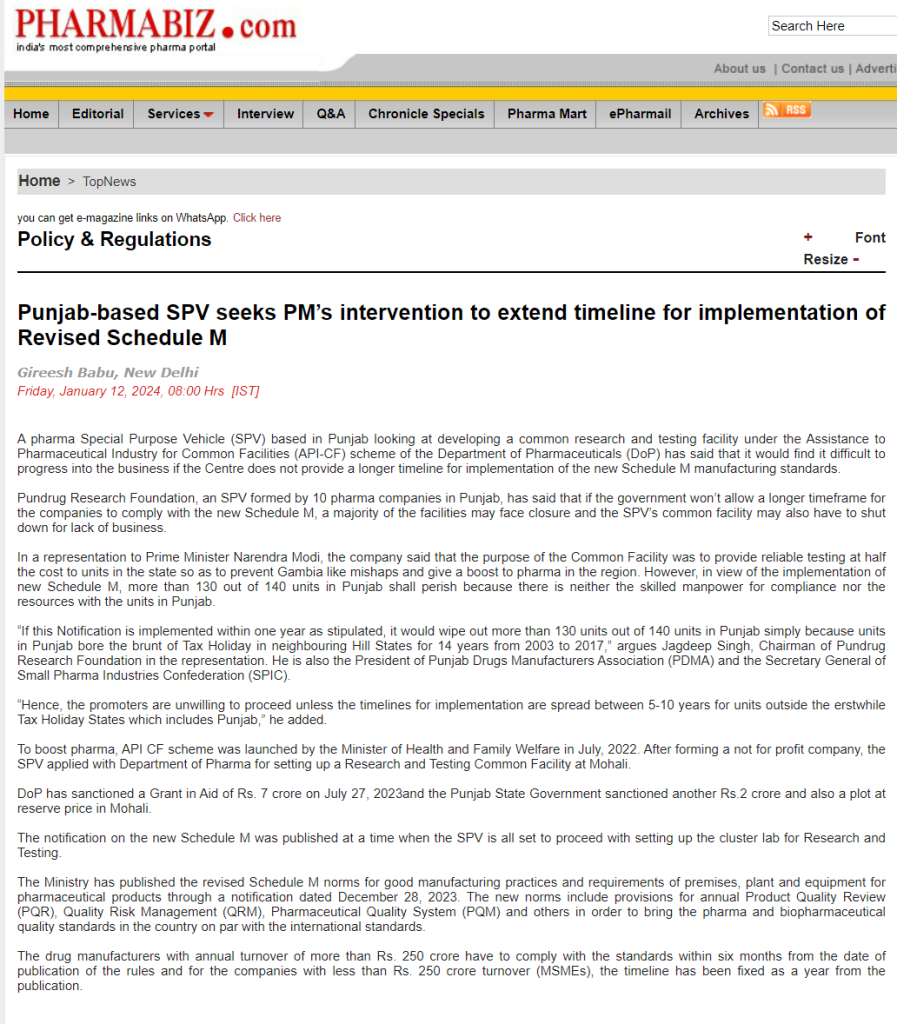
The Pundrug Research Foundation was established by several pharmaceutical manufacturers in Punjab who are united in their opposition to the Schedule M mandate. These manufacturers argue that the financial burden of upgrading their facilities to meet WHO GMP standards is prohibitive, particularly for smaller companies that operate on thinner margins.
https://pharmabiz.com/NewsDetails.aspx?aid=165734&sid=1
The PUNDRUG Research Foundation has garnered significant attention not only for its ambitious goals but also because one of its directors is Sudhir Pathak, who concurrently serves as the director of QP Pharmachem Limited. This connection is notable as QP Pharmachem Limited was at the center of a major scandal in 2023 when the World Health Organization (WHO) issued a medical product alert on one of its substandard products. The WHO found that a batch of GUAIFENESIN SYRUP TG SYRUP produced by QP Pharmachem was contaminated with toxic substances, raising serious concerns about the quality control and manufacturing practices at the facility. Having a director from a company implicated in producing substandard products on a board advocating for an extension of Schedule M compliance raises significant concerns. The WHO’s alert in 2023 regarding QP Pharmachem’s GUAIFENESIN SYRUP TG SYRUP underscores the critical importance of adhering to stringent manufacturing standards. Therefore, the involvement of a director from a company with a tainted safety record in a foundation pushing for delayed implementation of WHO certification requirements seems highly suspect and raises questions about the motivations behind this advocacy. It underscores the need for transparency and integrity in the push towards improving pharmaceutical standards to protect public health.
Key Arguments Against Schedule M Upgrades
- Financial Constraints: Many small to medium-sized pharmaceutical companies claim they lack the capital required for significant infrastructure upgrades. The cost of new equipment, facility renovations, and comprehensive staff training programs is cited as a major barrier.
- Disruption of Production: Implementing these upgrades would likely result in significant production downtime, which could be devastating for companies that rely on continuous manufacturing to maintain cash flow.
- Market Competition: Some manufacturers argue that the stringent requirements favor larger companies with more resources, potentially leading to monopolization and reducing market competition. They fear that smaller firms could be pushed out of the market entirely.
The Government’s Stance
The Indian government, led by Prime Minister Modi, remains steadfast in its commitment to implementing Schedule M across the pharmaceutical industry. The government argues that these upgrades are essential for ensuring the safety, efficacy, and global competitiveness of Indian pharmaceuticals.
Key Points of Government Support
- Financial Assistance Programs: To alleviate some of the financial burdens, the government has proposed various subsidies and financial assistance programs to help smaller companies with the transition.
- Training Initiatives: National training programs are being developed to ensure that all personnel are adequately trained in WHO GMP practices, aiming to standardize quality across the industry.
- Global Market Access: The government emphasizes that WHO certification will open up international markets, potentially leading to increased revenue and growth opportunities for compliant companies.
The Stakes for Global Health
The stakes of this conflict extend beyond the borders of India. The global pharmaceutical supply chain relies heavily on Indian manufacturers, particularly for generic medications. Ensuring that all manufacturing plants meet WHO standards is crucial for maintaining the trust and safety of medications used worldwide.
Global Impact of Non-Compliance
- Health Risks: Non-compliance with WHO standards can lead to the production of substandard or contaminated medications, posing significant health risks globally. An example of this was the 2023 incident involving QP Pharmachem, where a batch of cough syrup contaminated with toxic substances caused a global health alert.
- Market Access: Pharmaceutical companies that do not comply with WHO standards may find themselves shut out of lucrative international markets, further isolating non-compliant manufacturers and potentially leading to economic decline.
Conclusion
The resistance to Modi’s Schedule M mandate by organizations like the Pundrug Research Foundation highlights the complex challenges of reforming India’s pharmaceutical industry. While the financial and logistical concerns of small manufacturers are valid, the broader benefits of adhering to WHO GMP standards—such as improved global market access, enhanced safety, and long-term competitiveness—cannot be overlooked.
Ensuring that all Indian pharmaceutical manufacturers meet these standards is not only crucial for the health and safety of consumers but also for maintaining India’s position as a global leader in the pharmaceutical industry. It remains to be seen how this conflict will resolve, but the push for higher standards is a necessary step towards a safer, more reliable pharmaceutical supply chain.
Citations
- “WHO Good Manufacturing Practices (GMP).” World Health Organization. Retrieved from WHO.
- “Schedule M of the Drugs and Cosmetics Act.” Central Drugs Standard Control Organization. Retrieved from CDSCO.
- “Modi’s Vision for the Pharmaceutical Industry: A Push for WHO Certification.” Economic Times. Retrieved from Economic Times.
- “QP Pharmachem Cough Syrup Scandal: Lessons for the Pharmaceutical Industry.” The Hindu. Retrieved from The Hindu.
- “Financial Challenges Facing Small Pharmaceutical Manufacturers.” Business Today. Retrieved from Business Today.