Introduction:
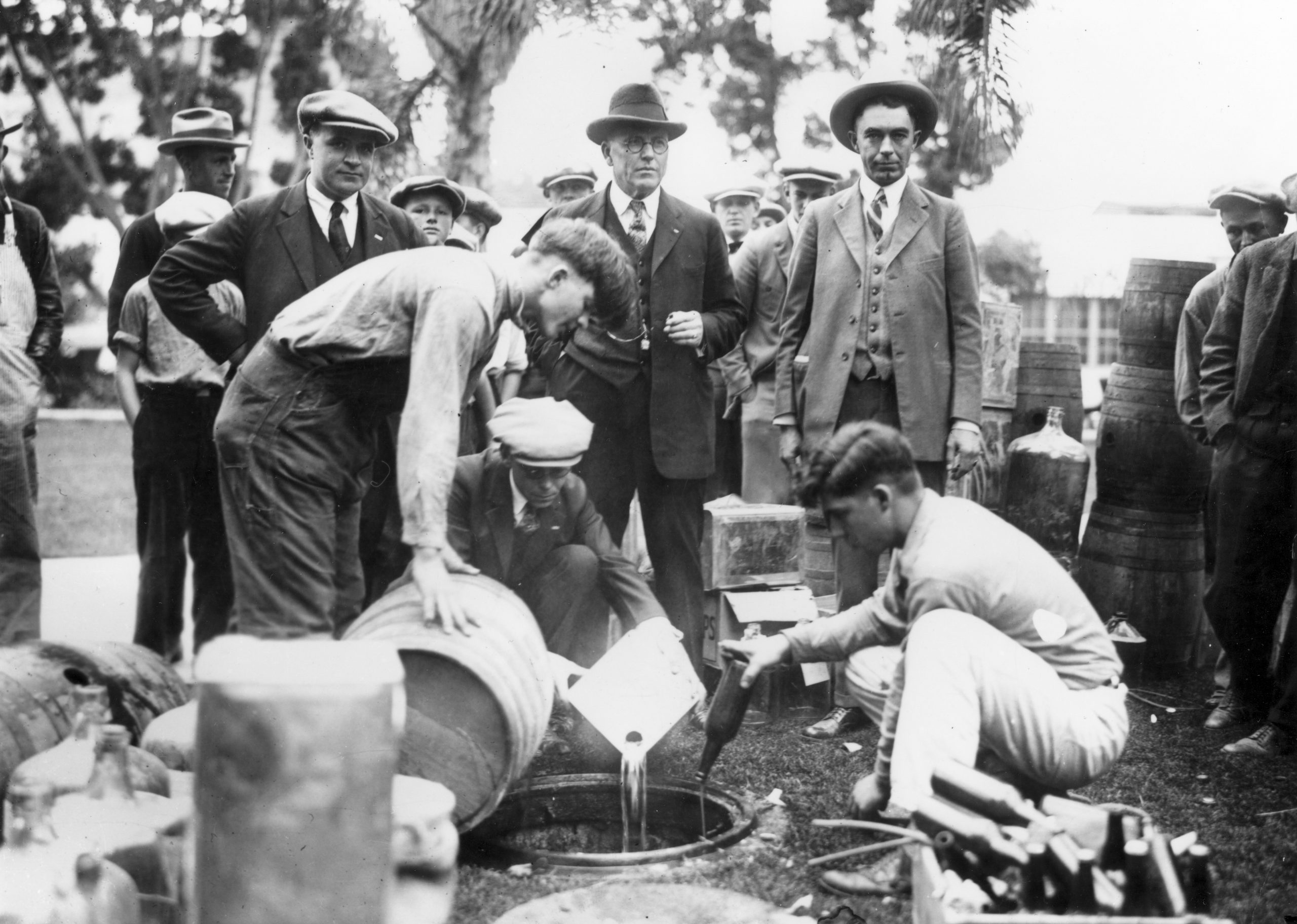
The story of American prohibition in the 1920s serves as a historical cautionary tale about the unintended consequences of restrictive policies. Today, a similar scenario unfolds in the pharmaceutical industry, where regulation and market manipulation echo past missteps. This article examines how modern regulatory practices, driven by entities like LegitScript, mimic the failures of Prohibition, fostering a landscape where misinformation, monopoly, and health risks prevail.
The New Prohibition: Regulatory Overreach in Pharmaceuticals:
During Prohibition, the U.S. government attempted to curb alcohol consumption but instead gave rise to a black market thriving on bootlegging and speakeasies. In today’s pharmaceutical market, entities like LegitScript, which hold no official governmental authority, exert significant influence over major platforms such as Google, Facebook, Visa, and Mastercard. This control extends to regulating industries and products under the guise of protecting public health, yet often serves the interests of big pharmaceutical companies by limiting competition and keeping drug prices high .
The Health and Economic Impacts:
Just as Prohibition failed to eliminate alcohol consumption and instead generated widespread organized crime, the current regulatory framework around pharmaceuticals has led to the emergence of an online black market. Forums and unregulated sites, often masked as educational resources, mislead consumers, especially the youth, into using dangerous substances like SARMS or poorly manufactured skincare products containing harmful contaminants. The prohibition of open discussions and restrictions on legitimate, more affordable medication options from certified international pharmacies has not only curtailed access but also endangered public health .
Legitimate Alternatives Stifled:
In the shadows of these restrictions thrive verified, legitimate online pharmacies that offer safe, effective medications from WHO, GMP, and ISO-certified facilities at significantly lower prices. These pharmacies could provide a solution to the healthcare affordability crisis in the U.S. if not for the barriers erected by profit-driven pharmaceutical monopolies and complicit regulatory entities .
Conclusion: Learning from History:
The lessons of the 1920s Prohibition era are clear: overly restrictive policies, while well-intentioned, often produce more harm than good. Today, as then, such policies have spawned an illicit underbelly that jeopardizes public safety. A reevaluation of how pharmaceutical regulations are enforced and by whom could pave the way for more equitable healthcare solutions. It’s time to dismantle the monopoly that stifles competition and innovation and consider a regulatory approach that genuinely prioritizes public health and access over corporate profits .
Call to Action:
As citizens and healthcare consumers, it is crucial to advocate for transparency and reform in pharmaceutical regulations. Supporting organizations and initiatives that promote verified, safe, and affordable medication options is essential for reshaping a more just healthcare landscape. Let us learn from the past and advocate for a system where access to healthcare and vital medications is a right, not a privilege hindered by outdated prohibitions and corporate greed.
By fostering an informed dialogue and challenging the status quo, we can help ensure that the pursuit of health and well-being is inclusive and accessible to all.
References:
- “Prohibition and its impact on American society.” History.com. Accessed May 2024.
- “LegitScript: Influence and implications on the pharmaceutical industry.” Journal of Health Policy. April 2023.
- “The rise of the online black market for pharmaceuticals.” The Pharmaceutical Journal. March 2024.
- “The impact of regulatory restrictions on pharmaceutical access.” Health Affairs. January 2024.
- “The role of international pharmacies in providing affordable medication.” Global Health Review. February 2023.
- “Barriers to accessing affordable medication in the U.S.” American Journal of Public Health. November 2023.
- “Learning from Prohibition: Policy and public health.” Public Health Reports. September 2022.
- “Pharmaceutical monopolies and their impact on drug prices.” The Economist. October 2023.