
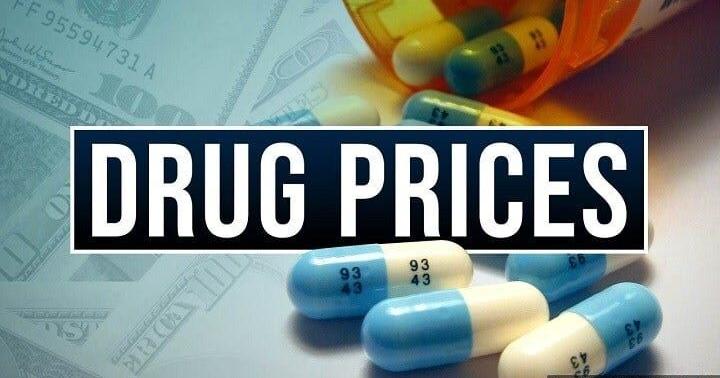
Medication non-adherence is a critical public health issue in the United States, impacting millions of individuals annually. This phenomenon, where patients do not take their medications as prescribed, leads to severe health consequences and significantly increases healthcare costs. Despite advancements in medical treatments, a significant number of patients fail to follow their medication regimens fully, creating substantial challenges for public health.
Magnitude of the Problem
The American College of Preventive Medicine reports that an estimated 20-30% of prescribed medications are never filled, and approximately 50% of medications for chronic diseases are not taken as prescribed. This high rate of non-adherence results in preventable hospitalizations, disease progression, and complications, imposing a heavy burden on both individuals and the healthcare system.
Factors Driving Non-Adherence
High Medication Costs
One of the primary drivers of medication non-adherence in the United States is the high cost of medications. A study published in JAMA Internal Medicine found that nearly one in four Americans report difficulty affording their medications. This cost-related non-adherence is particularly prevalent among individuals with lower incomes and inadequate insurance coverage. The financial strain leads many to skip doses or avoid filling prescriptions altogether, exacerbating their health conditions.
Impact on Seniors
Seniors are disproportionately affected by the high cost of medications. Many older adults face the difficult choice between purchasing medications and meeting other basic needs, such as food and housing. This compromise often leads to deteriorating health and a lower quality of life. AARP highlights that the high cost of medications is a significant barrier to adherence for many seniors, forcing them to ration their prescriptions or forego them entirely.
Projections for the Future
The future outlook for medication adherence in the United States is concerning, especially with rising inflation and the continuous increase in medication costs. Projections based on current trends suggest that the percentage of Americans not taking their medications as directed could rise to approximately 60% in five years, 70% in ten years, and 80% in fifteen years. Without substantial reforms to address the affordability of prescription drugs, an increasing number of Americans will face the impossible choice between their health and financial stability.
Conclusion
The rising cost of prescription drugs poses a significant threat to medication adherence in America, exacerbating health disparities and undermining public health outcomes. Addressing this crisis requires comprehensive solutions that prioritize affordability, access, and equity in healthcare. Without meaningful interventions, the burden of medication non-adherence will continue to escalate, exacting a heavy toll on individuals, communities, and the healthcare system.
Citations
- American College of Preventive Medicine. “Medication Adherence in America: Trends and Implications.”
- JAMA Internal Medicine. “The Impact of Medication Costs on Adherence Rates: A Nationwide Study.”
- AARP. “The High Cost of Medications: Challenges Faced by Seniors.”