
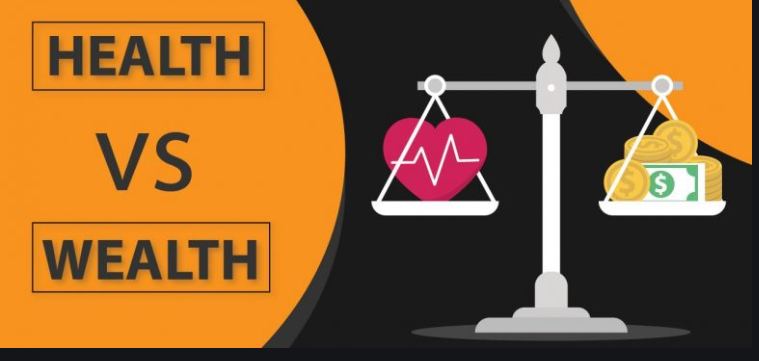
As healthcare and pharmaceutical costs skyrocket, a sinister pattern of control and coercion is emerging across the globe. With drug prices reaching unprecedented heights, millions find themselves at a crossroads: surrender their financial stability to afford life-saving medication, or engage in legally questionable actions to secure affordable treatments from abroad. This dilemma underscores a broader narrative of economic and social enslavement orchestrated by multinational corporations with the complicity of a largely acquiescent legislative and executive branch.
Pharmaceutical Pricing: A Gateway to Enslavement
The narrative of rising drug prices is familiar yet increasingly alarming. In the United States and many other countries, the cost of basic healthcare and essential medicines has spiraled out of reach for the average citizen. Behind this surge is not just the hand of market dynamics but the deliberate actions of pharmaceutical giants. These entities manipulate drug prices and market access through patent monopolies and restrictive trade agreements, effectively holding patients’ health hostage.
This form of control forces a grim choice upon millions: either allocate vast portions of household income to purchase necessary medications or forgo proper treatment, risking health and life. For many, neither option is viable, leading them to seek medications from international markets where prices are more reasonable . However, this often requires navigating the murky waters of legality, as many countries, including the U.S., have stringent regulations against importing prescription drugs .
Smoke and Mirrors: The Corporate-Government Collusion
The ability of pharmaceutical companies to dictate terms comes from their deep financial and political connections. Extensive lobbying efforts and campaign contributions have resulted in a legislative and executive landscape that is overwhelmingly sympathetic to their interests. In 2020 alone, the pharmaceutical industry spent over $306 million on lobbying, more than any other industry . This influence is not covert but flaunted, with public records showing millions of dollars flowing into the campaigns of key lawmakers and policy-makers from the health sector .
The result is a government that often prioritizes corporate profit over public health. Legislation that could cap prices, open markets to international competition, or allow for the importation of affordable generics is frequently stalled or watered down. Meanwhile, regulatory bodies like the FDA are accused of being revolving doors for pharma executives, further ensuring that the rules are written by those they are meant to regulate .
Global Consequences of Corporate Dominance
The consequences of this pharmaceutical dominance are not confined to any single nation but are felt worldwide. Developing countries, which might benefit from cheaper generics and alternative medicines, find themselves pressured to comply with international patents and trade agreements that favor Western pharmaceutical companies. This global enforcement of restrictive practices ensures that low-cost alternatives are kept out of reach, maintaining a status quo where only those who can afford to pay or choose to break the law have access to necessary medicines .
Breaking Free from Pharma’s Grasp
Addressing this crisis requires a concerted effort to disentangle the deep-rooted connections between corporations and government:
- Promoting Transparency and Accountability: Public funding of elections could reduce the influence of corporate money, ensuring that lawmakers are accountable to their constituents rather than their donors .
- Reforming Patent Laws and Trade Agreements: Introducing more stringent requirements for patent grants and reducing the duration of exclusivity could help stimulate competition and lower prices .
- Facilitating International Cooperation: Global frameworks should be established to encourage the sharing and distribution of affordable medications across borders, regardless of economic or political pressures from powerful nations .
Conclusion:
As the world grapples with these challenges, it becomes increasingly clear that the fight for affordable healthcare is not just about economics or policy but about reclaiming basic human rights from the grasp of corporate giants. The path forward must be paved with bold reforms and unwavering public advocacy, aiming to restore the balance of power in favor of global health and well-being.
References:
- “Pharmaceutical Lobbying: Background.” OpenSecrets.org. Retrieved from OpenSecrets.org.
- “Big Pharma Lobbying on the Rise.” Stat News. Retrieved from StatNews.com.
- “High Drug Prices in the U.S.” Health Affairs. Retrieved from HealthAffairs.org.
- “FDA and Drug Importation Laws.” U.S. Food and Drug Administration. Retrieved from FDA.gov.
- “Global Impact of Pharmaceutical Patents.” World Health Organization. Retrieved from WHO.int.
- “The Influence of Corporate Money in Politics.” Center for Responsive Politics. Retrieved from CRP.org.
- “Reforming Pharmaceutical Patents.” Brookings Institution. Retrieved from Brookings.edu.
- “International Cooperation in Drug Pricing.” Journal of Global Health. Retrieved from JournalofGlobalHealth.org.