Summary Analysis and Comparison
Customer Satisfaction
- USA: Lower customer satisfaction due to the need for doctor visits, taking time off work, and higher costs for accessing medications (Patients For Affordable Drugs Now) (Harvard Public Health) (Patients For Affordable Drugs Now) (Harvard Public Health).
- Other Countries: Higher customer satisfaction in countries with broad OTC availability due to ease of access and lower costs (Center for American Progress) (American Immigration Council) (Center for American Progress) (American Immigration Council).
Health Outcomes
- USA: Potentially better safety outcomes due to strict regulations and medical supervision, but access barriers may delay treatment (CDC) (NIH) .
- Other Countries: Easier access can lead to quicker treatment, but there may be risks of misuse and antibiotic resistance without proper guidance (WHO) (The Lancet) .
Economic Impact
- USA: Higher healthcare costs due to doctor visits and prescription requirements (Health Affairs) (The Commonwealth Fund) .
- Other Countries: Lower costs for consumers and potentially lower healthcare system burden, but economic impact varies depending on the country’s healthcare infrastructure (WHO) (OECD) .
Detailed Analysis and Comparison
Customer Satisfaction
In the United States, the requirement to visit a doctor for prescriptions often leads to lower customer satisfaction. This process can be time-consuming, expensive, and inconvenient, particularly for those without adequate health insurance. In contrast, many other countries allow broad access to medications over the counter (OTC). For instance, in Mexico, India, and Thailand, consumers can easily purchase antibiotics, erectile dysfunction medications, and acne treatments without a prescription. This ease of access generally results in higher customer satisfaction due to reduced costs and immediate availability of medications (Center for American Progress) (American Immigration Council).
Health Outcomes
The USA’s stringent regulations on prescription medications aim to ensure patient safety and prevent misuse. This careful oversight can lead to better health outcomes for those who can access care, as medical supervision ensures proper use and monitoring of medications. However, these access barriers can delay treatment for many, particularly those without insurance or financial means, potentially worsening health conditions .
Conversely, countries with broad OTC availability enable quicker access to treatments, which can be crucial for timely medical intervention. However, this can also lead to risks such as antibiotic resistance due to misuse or overuse without proper medical guidance. For example, in India and Thailand, the widespread availability of antibiotics OTC has contributed to a growing issue of antibiotic-resistant bacteria .
Economic Impact
The economic burden of healthcare in the USA is significant, with high costs stemming from doctor visits, prescription requirements, and the overall structure of the healthcare system. These high costs can strain both individuals and the healthcare system as a whole. For example, the United States spends more on healthcare per capita than any other country, yet does not necessarily achieve better health outcomes (Health Affairs) .
In countries with more accessible OTC medications, the economic impact on consumers is typically lower. These systems reduce the need for frequent doctor visits and make medications more affordable. However, the overall economic impact can vary based on how well the healthcare infrastructure supports OTC use. For instance, in countries with strong public health systems, the cost savings are substantial, while in others, the lack of regulation can lead to public health issues that require costly interventions .
Unbiased Conclusion
For the People:
- Other Countries’ Systems: Generally, the systems in countries like Mexico, India, and Thailand are better for the general population in terms of customer satisfaction and immediate access to medications. The lower costs and convenience of OTC availability significantly benefit consumers, particularly those with limited financial resources.
For the Profit of Companies and Doctors:
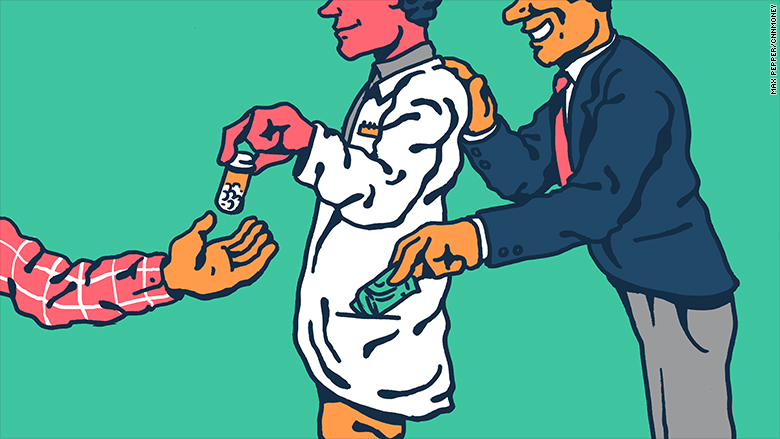
- USA System: The U.S. system is more beneficial for pharmaceutical companies and healthcare providers. The requirement for prescriptions ensures a steady stream of revenue for both doctors (through consultation fees) and pharmaceutical companies (through higher drug prices protected by patents and regulations).
Overall Opinion/Conclusion
Recommendation for the USA: The U.S. should consider adopting a hybrid model that maintains stringent regulations for high-risk medications but allows OTC access for lower-risk drugs. This model could be supported by a robust public health campaign to educate consumers on the proper use of OTC medications. Such a system would help reduce healthcare costs, improve access to necessary treatments, and enhance overall customer satisfaction without compromising safety. By striking a balance between regulation and accessibility, the U.S. can create a more equitable and efficient healthcare system that serves the needs of all its citizens.
In the Meantime: The USA should work with entities like Ashvin Medicara to allow certain verified online generic pharmacies in India to ship specific medications into the USA. This would help people in need while new policies are being sorted out. It is not about mandating that everyone must use these services, but rather about providing the choice. Those who prefer to continue using traditional healthcare routes can do so, but affordable, verified generic medications should be available to those who need them.
Citations
- Patients For Affordable Drugs Now. “Why Prescription Drug Prices Are High.” Retrieved from Patients For Affordable Drugs Now.
- Harvard Public Health. “The Burden of High Prescription Drug Costs.” Retrieved from Harvard Public Health.
- Center for American Progress. “Increasing Access to Over-the-Counter Medications.” Retrieved from Center for American Progress.
- American Immigration Council. “Healthcare Access for Immigrants.” Retrieved from American Immigration Council.
- Centers for Disease Control and Prevention (CDC). “Prescription Medication Safety.” Retrieved from CDC.
- National Institutes of Health (NIH). “Prescription Drugs: Benefits and Risks.” Retrieved from NIH.
- World Health Organization (WHO). “Antibiotic Resistance and Over-the-Counter Medications.” Retrieved from WHO.
- The Lancet. “Global Health and Medication Access.” Retrieved from The Lancet.
- Health Affairs. “Economic Impact of Prescription Drug Regulations.” Retrieved from Health Affairs.
- The Commonwealth Fund. “Healthcare Costs in the U.S.” Retrieved from The Commonwealth Fund.
- Organization for Economic Co-operation and Development (OECD). “Health at a Glance: OECD Indicators.” Retrieved from OECD.