
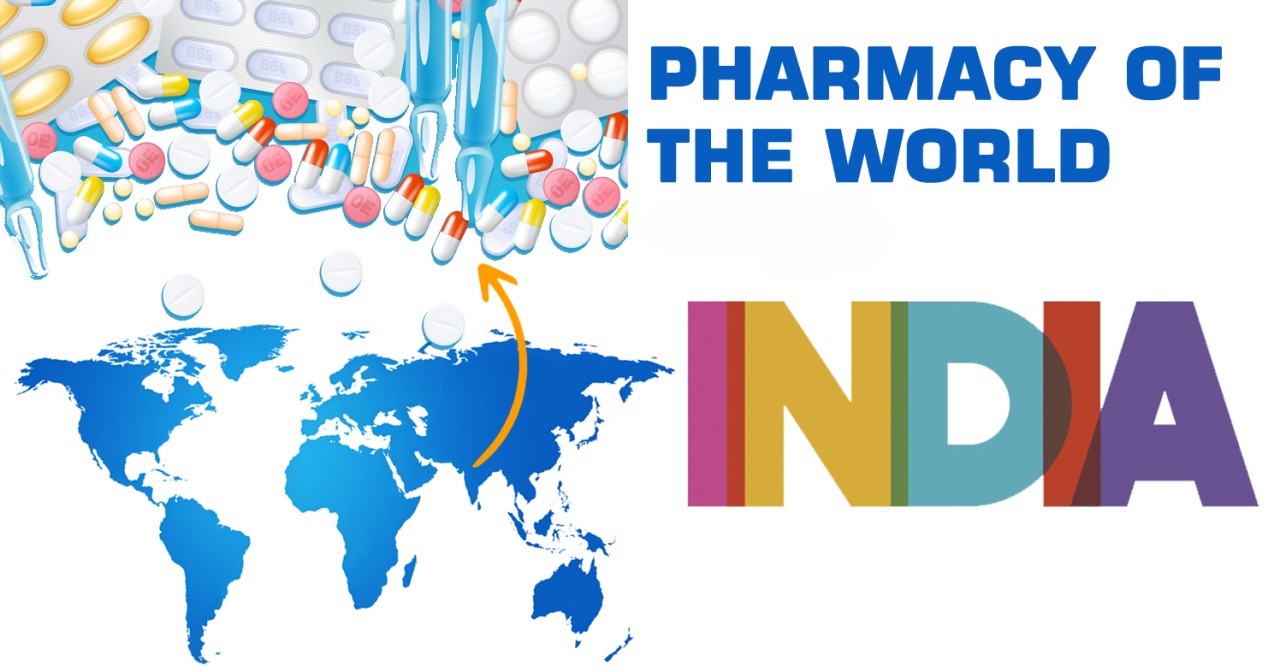
Prime Minister Narendra Modi has set a transformative goal for India’s pharmaceutical industry: by the end of 2023, all pharmaceutical manufacturing plants must adhere to WHO Good Manufacturing Practices (GMP) certification, also known as Schedule M. This directive aims to elevate the quality of India’s pharmaceutical products to meet international standards, ensuring that all medications produced in the country are safe, effective, and of high quality.
The Importance of WHO GMP Certification
WHO GMP certification is a global standard that ensures pharmaceutical products are consistently produced and controlled according to quality standards. These practices cover all aspects of production from the starting materials, premises, and equipment to the training and personal hygiene of staff. Compliance with GMP is crucial for minimizing the risks involved in pharmaceutical production that cannot be eliminated through testing the final product alone.
Schedule M: India’s Adaptation of WHO GMP
Schedule M of the Drugs and Cosmetics Act in India outlines the requirements for Good Manufacturing Practices for the manufacturing of pharmaceuticals. It includes:
- Quality Control: Detailed protocols for the testing of raw materials, in-process materials, and finished products.
- Sanitation and Hygiene: Strict guidelines to ensure cleanliness and contamination control.
- Documentation: Comprehensive documentation procedures to ensure traceability and accountability in the manufacturing process.
- Equipment and Facilities: Requirements for equipment maintenance and facility design to ensure a controlled environment for drug production.
- Personnel: Training programs for personnel to ensure they are qualified and knowledgeable about GMP requirements.
The Push for WHO Certification
Modi’s mandate for WHO certification aims to:
- Improve Global Competitiveness: By aligning with international standards, Indian pharmaceutical companies can compete more effectively in global markets. This is crucial as India is one of the largest producers of generic medicines and supplies a significant portion of the world’s pharmaceutical needs.
- Ensure Patient Safety: The primary goal is to ensure that all drugs produced in India are safe for consumption, which is vital for both domestic and international markets.
- Enhance Industry Credibility: Achieving WHO certification will enhance the credibility of Indian pharmaceutical products, fostering trust among global consumers and regulatory bodies.
Challenges and Implementation
While the goal is ambitious, it comes with several challenges:
- Infrastructure Upgrades: Many existing facilities need significant upgrades to meet WHO GMP standards. This includes investments in new equipment, facility renovations, and updated documentation processes.
- Training and Development: Ensuring that all personnel are adequately trained in GMP practices requires substantial effort and resources.
- Regulatory Compliance: Continuous monitoring and auditing are essential to maintain compliance with WHO standards.
Government Support
To facilitate this transition, the Indian government has pledged support in various forms:
- Financial Assistance: Offering subsidies and financial incentives to companies undertaking the necessary upgrades to their facilities.
- Training Programs: Initiating nationwide training programs to educate and certify industry personnel in GMP practices.
- Regulatory Reforms: Streamlining regulatory processes to make it easier for companies to achieve and maintain certification.
Industry Response
The pharmaceutical industry in India has responded positively to Modi’s mandate, recognizing the long-term benefits of WHO certification. Many leading companies have already started the process of upgrading their facilities and training their staff to meet the new standards. However some in Punjab are pushing back against the reforms.
Conclusion
Prime Minister Modi’s directive to achieve WHO GMP certification for all pharmaceutical manufacturing plants by the end of 2023 is a significant step towards ensuring the quality and safety of medications produced in India. While the journey is challenging, the long-term benefits of improved global competitiveness, enhanced industry credibility, and better patient safety make it a crucial move for the Indian pharmaceutical sector. This initiative underscores India’s commitment to maintaining its position as a global leader in pharmaceutical manufacturing.
Citations
- “WHO Good Manufacturing Practices (GMP).” World Health Organization. Retrieved from WHO.
- “Schedule M of the Drugs and Cosmetics Act.” Central Drugs Standard Control Organization. Retrieved from CDSCO.
- “Modi’s Vision for the Pharmaceutical Industry: A Push for WHO Certification.” Economic Times. Retrieved from Economic Times.