
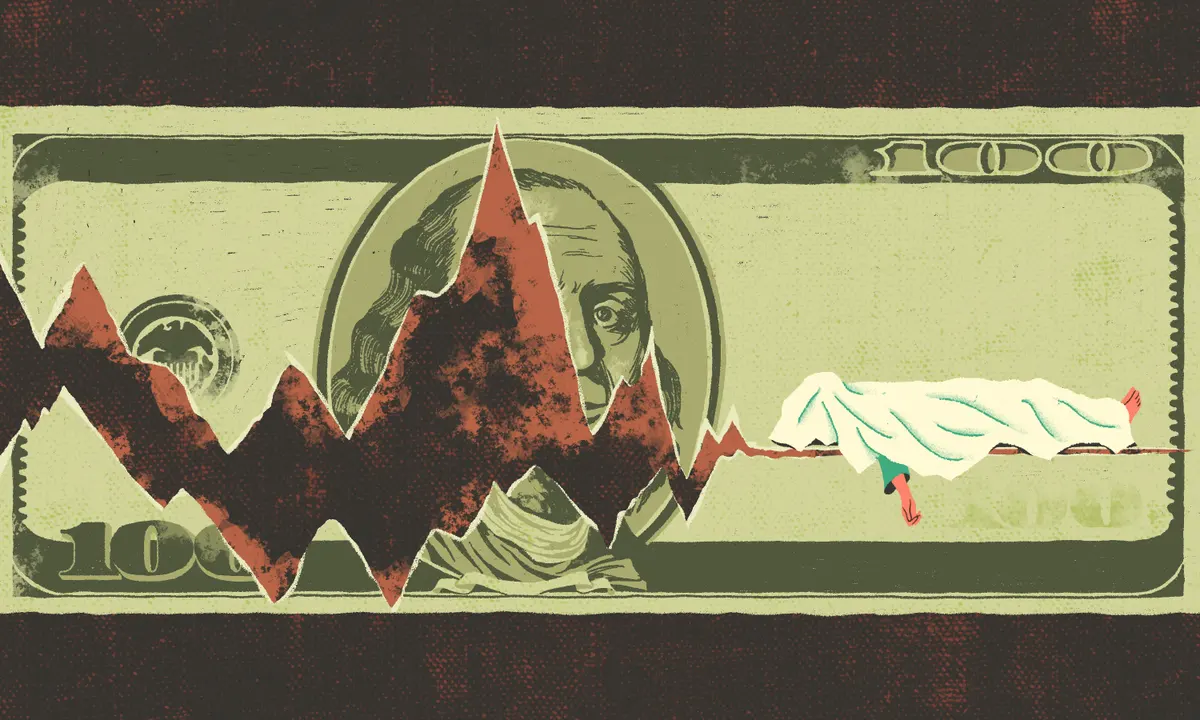
The relationship between pharmaceutical companies, the government, and the healthcare system has long been a subject of intense scrutiny and debate. At the heart of this discussion is the accusation that these entities, by blocking or limiting access to affordable generic medications, could potentially be seen as participating in actions tantamount to murder. This article explores whether such charges could be legally and ethically justified under the framework of criminal negligence, manslaughter, or even murder.
Legal Framework and Theoretical Applications
- Criminal Negligence or Manslaughter:Definition: This legal term refers to actions so careless they deviate from the reasonable standard of care expected in a given situation. In terms of manslaughter, there must be a clear causal link between the negligent action and a resulting death, with the negligence demonstrating reckless disregard for the potential consequences.Application: When pharmaceutical companies or regulatory bodies restrict access to necessary medications, knowing these are needed to prevent life-threatening conditions, their actions could theoretically meet the criteria for manslaughter if such restrictions directly result in death.
- Depraved-Heart Murder:Definition: This charge involves conduct that demonstrates a reckless disregard for human life, resulting in death. Crucially, it does not require a specific intent to kill but indicates extreme indifference to life.Application: If it can be demonstrated that these entities knowingly block access to essential medications with the understanding that such actions are likely to result in fatalities, this could be construed as depraved-heart murder.
- Corporate Manslaughter:Definition: In some jurisdictions, this doctrine holds corporations and their leaders liable for deaths resulting from corporate practices that are grossly negligent or indicate severe indifference to human life.Application: Systematic, negligent corporate policies that deny necessary medications and directly result in death might qualify for charges of corporate manslaughter.
Challenges in Legal Argumentation
- Causation: One of the biggest hurdles in such cases is establishing a direct causation link. It must be proven that the absence of medication, directly caused by the actions of these entities, was the definitive cause of death.
- Intent: Demonstrating that the parties involved knew with certainty that their actions would result in death adds a profound complexity, as intent is notoriously difficult to prove, especially when policy and corporate decisions are distanced by layers of bureaucracy and regulatory frameworks.
- Legal and Jurisdictional Variability: The application of laws concerning manslaughter or murder by corporate or governmental actions varies widely by jurisdiction. This variability makes any legal proceedings uncertain and dependent on local laws and interpretations.
- Regulatory and Policy Defenses: Often, actions taken by these entities are shielded by existing laws or regulatory approvals, providing them with substantial defenses against criminal liability.
Ethical Considerations and Public Health Impact
- Access to Medication: Denying access to affordable, life-saving medications raises serious ethical questions. For example, the high cost of insulin in the U.S. has been linked to preventable deaths among diabetics who cannot afford their prescribed dosages. The restriction on generic imports exacerbates these issues.
- Healthcare Inequity: The disparity in healthcare access is stark, with low-income and marginalized communities bearing the brunt of these restrictive practices. The ethical implications are profound, as these policies disproportionately harm those who are already vulnerable.
- Global Health Perspective: Interestingly, the U.S. government often funds WHO initiatives that distribute generic medications globally, acknowledging their efficacy and necessity. This contradiction highlights a significant ethical issue—if these medications are deemed good enough for global health initiatives, why are they restricted domestically?
Conclusion
While the idea that Big Pharma, the U.S. government, and large corporations could be charged with murder or manslaughter is compelling in an ethical debate, the legal reality is complex and fraught with challenges. Nonetheless, this discussion highlights the moral responsibilities of these entities to ensure that policies and business practices do not indirectly harm or lead to the deaths of individuals by denying them access to essential medications. Whether or not these actions could ever be successfully prosecuted in a court of law, they certainly call for a rigorous ethical examination and prompt a broader discussion about corporate responsibility and healthcare rights.
Citations:
- “FDA Personal Importation Policy,” U.S. Food and Drug Administration, retrieved from https://www.fda.gov
- “Insulin Prices and the Cost of Diabetes Treatment,” American Diabetes Association, retrieved from https://www.diabetes.org
- “Corporate Manslaughter and Corporate Homicide Act 2007,” UK Legislation, retrieved from https://www.legislation.gov.uk
- “Global Health Initiatives,” World Health Organization, retrieved from https://www.who.int
- “Access to Medicines and Human Rights,” Human Rights Watch, retrieved from https://www.hrw.org