
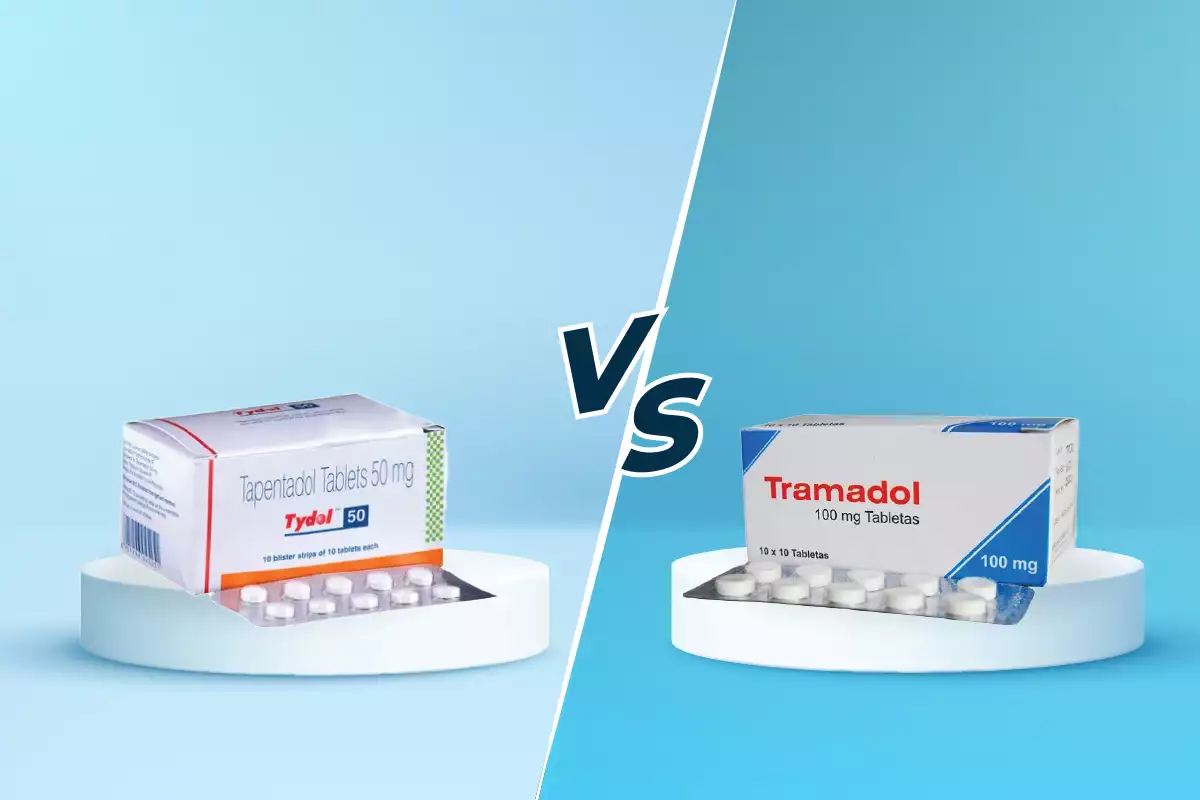
Tapentadol and Tramadol are both prescription medications used to treat moderate to severe pain. They are often compared due to their similar applications in pain management, but they have distinct differences in terms of their mechanisms, effectiveness, side effects, and legal status in various countries, including India. This article explores these differences, their off-label uses, how to use Tapentadol, its benefits, potential risks, and why it is available for sale in India while Tramadol is not.
All pain medications are dangerous and carry the potential for abuse. Tramadol, in particular, was highly abused and sold online openly. Once Tramadol was made illegal in India, it opened up a large grey market and black market trade in counterfeit Tramadol, often made with fentanyl. The rate of addiction and deaths due to fake Tramadol is alarming. We explore this topic to educate people and inform them about the risks.
If someone is taking pain medicine, we would rather they use a safer, legally made product than risk buying counterfeit Tramadol on the street, which may contain fentanyl. We do not suggest or condone the sale of these products but emphasize the importance of being aware that Tramadol is now being illicitly manufactured with fentanyl and sold online and on the black market. You must avoid it at all costs. If you do need a pain pill occasionally, we strongly recommend considering Tapentadol, which is legally produced and regulated, over any black market Tramadol.
Mechanism of Action
Tapentadol:
Tapentadol is a centrally acting analgesic with a dual mechanism of action. It works as a mu-opioid receptor agonist and a norepinephrine reuptake inhibitor. This dual action makes it effective in treating both nociceptive (physical pain) and neuropathic (nerve pain) .
Tramadol:
Tramadol also works as a centrally acting analgesic but has a slightly different mechanism. It is a weak mu-opioid receptor agonist and also inhibits the reuptake of norepinephrine and serotonin, which enhances its pain-relieving effects. However, its opioid activity is less potent than that of Tapentadol .
Effectiveness and Use
Tapentadol:
- Effectiveness: Tapentadol is effective for a variety of pain types, including chronic musculoskeletal pain, diabetic neuropathy, and postoperative pain. Studies suggest that it is as effective as other opioids but with a potentially lower risk of gastrointestinal side effects and better tolerability .
- Usage: Tapentadol is typically prescribed for moderate to severe pain. It is available in immediate-release and extended-release formulations, allowing for flexible dosing schedules.
- Average Dose: The usual starting dose for Tapentadol immediate-release is 50-100 mg every 4 to 6 hours as needed, while the extended-release form is generally dosed at 50-250 mg twice daily, depending on the individual’s pain level and response to treatment .
Tramadol:
- Effectiveness: Tramadol is also effective for moderate to severe pain and is commonly used for conditions such as osteoarthritis, fibromyalgia, and postoperative pain. It is generally considered less potent than other opioids .
- Usage: Tramadol is available in immediate-release and extended-release formulations. It is often used when other non-opioid pain relievers are not effective.
- Average Dose: For immediate-release Tramadol, the typical dose is 50-100 mg every 4 to 6 hours, not exceeding 400 mg per day. The extended-release form is usually started at 100 mg once daily, with a maximum dose of 300 mg per day .
Off-Label Uses
Tapentadol:
- Off-Label Use: Tapentadol has been used off-label for the treatment of anxiety disorders and certain types of depressive disorders due to its dual action on opioid receptors and norepinephrine reuptake inhibition .
- Reason to Keep On Hand: Tapentadol’s effectiveness in managing both acute and chronic pain, coupled with its potential off-label uses for anxiety and depression, makes it a versatile medication to have in the medicine cabinet for those who require comprehensive pain management.
Tramadol:
- Off-Label Use: Tramadol has been used off-label for the treatment of premature ejaculation and restless legs syndrome. Its serotonergic action is thought to contribute to its effectiveness in these conditions .
- Reason to Keep On Hand: While effective for pain, Tramadol’s additional use for conditions like premature ejaculation and restless legs syndrome makes it a useful medication for managing multiple symptoms.
Safety and Addiction Potential
Tapentadol:
- Safety: Tapentadol is generally well-tolerated but can cause side effects such as nausea, dizziness, constipation, and headache. It has a lower risk of gastrointestinal side effects compared to other opioids .
- Addiction Potential: Like all opioids, Tapentadol has a potential for abuse and dependence. However, its dual mechanism of action may reduce its abuse potential compared to stronger opioids .
- Availability: Tapentadol is available by prescription in many countries, including India, where it is regulated but accessible for pain management .
Tramadol:
- Safety: Tramadol can cause similar side effects, including nausea, dizziness, and constipation. It also has a risk of serotonin syndrome, a potentially life-threatening condition if taken with other serotonergic drugs .
- Addiction Potential: Tramadol has a lower potential for abuse compared to stronger opioids but still poses a risk for dependence and misuse .
- Availability: In India, Tramadol is considered a controlled substance due to its potential for abuse and is not legally available over the counter. In contrast, Tapentadol is available under prescription regulations .
Legal Status in India
Tapentadol:
Tapentadol is legally available in India for managing moderate to severe pain. It is sold under prescription, allowing for controlled and regulated use (Navitas Life Sciences).
Tramadol:
Tramadol has been classified as a controlled substance in India since 2018 due to its high potential for abuse and misuse. The decision to ban Tramadol was influenced by its widespread misuse, particularly among youth, and its association with severe dependency and addiction issues (Express Pharma).
Benefits and Risks
Benefits of Tapentadol:
- Effective Pain Relief: Suitable for both acute and chronic pain conditions.
- Dual Mechanism: Provides comprehensive pain management by targeting different pain pathways.
- Lower GI Side Effects: Potentially fewer gastrointestinal issues compared to other opioids (Tulip).
Risks of Tapentadol:
- Addiction and Dependence: Potential for misuse, requiring careful monitoring by healthcare providers.
- Side Effects: Can include dizziness, nausea, and constipation.
Conclusion
Tapentadol and Tramadol are valuable medications in pain management with their unique benefits and risks. Tapentadol’s dual mechanism of action and potentially lower side effect profile make it a compelling option for many patients. However, both medications require careful usage and medical supervision due to their potential for abuse and side effects. The regulatory differences in India, where Tramadol is banned and Tapentadol is permitted, highlight the importance of balancing effective pain management with the risk of abuse and addiction.
References
- “Tapentadol: Mechanism of Action and Efficacy.” PubMed. Retrieved from PubMed.
- “Pharmacological Profile of Tapentadol.” NCBI. Retrieved from NCBI.
- “Tramadol: Mechanism of Action and Pharmacology.” Drugs.com. Retrieved from Drugs.com.
- “Clinical Uses of Tramadol.” Mayo Clinic. Retrieved from Mayo Clinic.
- “Tapentadol for Chronic Pain Management.” Pain Physician Journal. Retrieved from Pain Physician.
- “Dosage and Administration of Tapentadol.” Medscape. Retrieved from Medscape.
- “Tramadol Dosage and Side Effects.” WebMD. Retrieved from WebMD.
- “Safety Profile of Tapentadol.” American Journal of Therapeutics. Retrieved from AJT.
- “Tramadol and Serotonin Syndrome.” Healthline. Retrieved from Healthline.
- “Regulation of Tramadol in India.” NDPS Act. Retrieved from NDPS Act.
- “India Bans Tramadol to Control Abuse.” Times of India. Retrieved from Times of India.
- “Tramadol Abuse in India: A Growing Concern.” The Hindu. Retrieved from The Hindu.
- “Gastrointestinal Effects of Opioids.” Clinical Gastroenterology. Retrieved from Clinical Gastroenterology.