Isotretinoin, a potent derivative of Vitamin A, is renowned for its effectiveness in treating severe acne, but it is also known for initiating an initial flare-up known as “the purge.” This period can be challenging for many patients, as it often involves a temporary worsening of acne symptoms. Understanding what happens in your body during this phase can help manage expectations and mitigate discomfort.
What is Happening in Your Body?
- Accelerated Cell Turnover: Isotretinoin works by dramatically increasing the turnover of skin cells. This rapid shedding helps to clear out the dead cells that would otherwise clog pores. However, as these cells shed, they can temporarily increase the amount of debris in your pores, which exacerbates acne.
- Sebum Reduction: Simultaneously, isotretinoin reduces the size and output of the sebaceous glands, which are responsible for producing sebum (oil). Initially, this sudden decrease in oil production can disrupt your skin’s natural balance, contributing to the purge.
- Inflammation: As the pores are cleared and sebum production decreases, the existing acne bacteria (Propionibacterium acnes) that thrive in oily environments can become more active. This activity can cause inflammation and worsening of acne, which is visible as the purge.
Clinical Process of the Purge
- Before the Purge: Prior to starting isotretinoin, the skin often has clogged pores filled with excess oil, dead skin cells, and bacteria.
- Initiation of Treatment: When isotretinoin is introduced, it immediately begins altering the way skin cells renew and how much oil is produced.
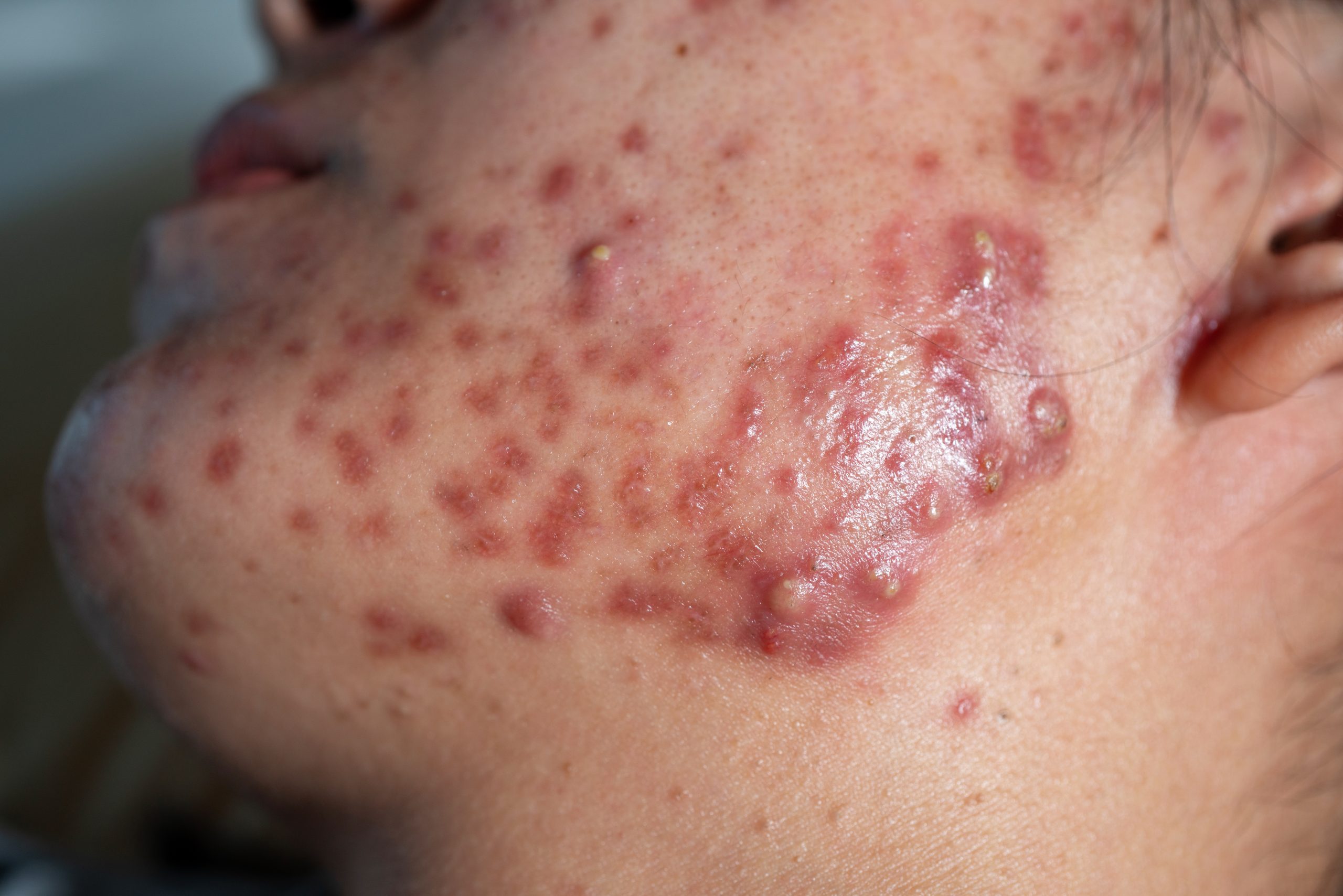
- Start of the Purge: Within the first few weeks, as cell turnover increases and oil production is curtailed, existing pimples may come to the surface faster, and new breakouts can occur in places where the skin was previously clogged.
- During the Purge: This phase can last from a few weeks to a couple of months. You might notice more inflammation and a peak in acne breakouts.
- End of the Purge: Once the purge phase stabilizes, continuous use of isotretinoin will result in clearer skin as the cellular changes help prevent new comedones from forming and reduce overall skin oiliness and bacteria levels.
Managing the Purge
Do:
- Maintain a Gentle Skincare Routine: Use mild, non-comedogenic cleansers and moisturizers to avoid further irritation.
- Stay Hydrated: Keeping your body hydrated helps maintain skin health.
- Consult with Your Dermatologist: Regular check-ins will help adjust treatment if necessary.
Don’t:
- Pick or Squeeze Pimples: This can lead to more inflammation and scarring.
- Use Harsh Exfoliants or Scrubs: These can irritate your skin further during the purge.
- Skip Sun Protection: Your skin will be more sensitive to sunlight, so using a broad-spectrum sunscreen is crucial.
Additional Considerations for Managing the Purge
Psychological Impact: The visible worsening of acne during the purge can be psychologically challenging. It’s important to remain patient and keep in mind that this phase is temporary. Consider seeking support from friends, family, or a mental health professional to help cope with the emotional stress.
Diet and Lifestyle: While isotretinoin is highly effective on its own, maintaining a balanced diet and a healthy lifestyle can support overall skin health. Foods rich in antioxidants and omega-3 fatty acids can help reduce inflammation.
Support Systems: Joining support groups, either in person or online, can provide comfort and advice from others who have experienced similar challenges with isotretinoin treatment.
Conclusion
The purge phase is a challenging but temporary step in the treatment of severe acne with isotretinoin. Understanding that this phase is a sign that the medication is actively working to renew your skin can be reassuring. With appropriate care and guidance from your dermatologist, you can navigate this period more comfortably and emerge with clearer, healthier skin.
References
- “Isotretinoin (Oral Route) Description and Brand Names.” Mayo Clinic. Retrieved from Mayo Clinic.
- “Isotretinoin: Uses, Dosage, and Side Effects.” Drugs.com. Retrieved from Drugs.com.
- “Managing Acne: A Guide to Clear Skin.” American Academy of Dermatology. Retrieved from AAD.org.
- “Acne: Overview and More.” Healthline. Retrieved from Healthline.