
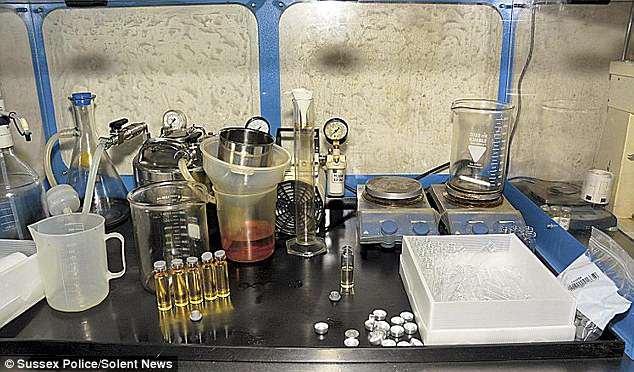
The rise of underground labs (UGLs) in the United States has brought a new level of risk to the market for pharmaceuticals such as Clomiphene, Tamoxifen, Tadalafil, and Sildenafil. While UGLs often source their chemical raw materials from China due to lower costs, these materials frequently come with significant safety concerns. This article explores the dangers associated with Chinese chemical raw materials, the lack of proper equipment in UGLs, and why consumers should seek out legal, trusted sources for their pharmaceutical needs.
The Problem with Chinese Chemical Raw Materials
Untested and Unsafe
Many chemical raw materials imported from China are not subjected to the rigorous testing and quality control standards required in the United States and other developed countries. This lack of oversight can result in products that are contaminated with harmful substances such as heavy metals, which pose serious health risks to consumers. According to a study published by the National Center for Biotechnology Information (NCBI), many Chinese herbal products, including raw materials for pharmaceuticals, have been found to contain high levels of toxic substances.
High Levels of Heavy Metals
Studies have shown that chemical raw materials from China often contain elevated levels of heavy metals, including lead, mercury, and arsenic. These toxic elements can accumulate in the body over time, leading to severe health issues such as neurological damage, kidney failure, and even cancer. The World Health Organization (WHO) has issued several warnings about the presence of heavy metals in pharmaceutical products sourced from China, highlighting the significant health risks associated with their use.
Quality Control Issues
The production of pharmaceuticals requires strict adherence to quality control protocols to ensure that each batch is consistent and safe for consumption. Unfortunately, many Chinese suppliers cut corners to reduce costs, resulting in raw materials that are of inconsistent quality and potency. The U.S. Food and Drug Administration (FDA) has reported numerous instances of substandard raw materials from China failing to meet the necessary safety and efficacy standards required for pharmaceutical production.
The Risks of UGL Products
Lack of Proper Equipment
UGLs in the United States typically do not have access to the sophisticated equipment needed to accurately measure and dose pharmaceutical products. This is particularly concerning for drugs that require precise dosing in milligrams (mg) or micrograms (mcg), such as Clomiphene, Tamoxifen, Tadalafil, and Sildenafil. The Journal of Pharmaceutical Sciences has highlighted the challenges faced by UGLs in maintaining consistent dosing without the proper technology and expertise.
Inaccurate Dosing
Without the proper equipment, UGLs cannot guarantee that each capsule or tablet contains the correct dosage of the active ingredient. This can lead to products that are either under-dosed or over-dosed, both of which can have serious health consequences for the user. Overdosing on these medications can cause severe side effects, while under-dosing can render the treatment ineffective. Research published in the American Journal of Health-System Pharmacy underscores the importance of accurate dosing in pharmaceutical manufacturing and the risks posed by UGLs’ inability to achieve this.
Contamination Risks
The lack of a sterile environment and proper manufacturing practices in UGLs increases the risk of contamination. This can lead to the presence of harmful bacteria, mold, and other pathogens in the final product, posing additional health risks to consumers. The International Journal of Pharmaceutics has documented numerous cases of contamination in pharmaceuticals produced in non-sterile environments, emphasizing the dangers associated with UGL products.
Legal and Trusted Sources: A Safer Alternative
Availability of Legal Options
Many of the pharmaceuticals produced by UGLs, such as Clomiphene, Tamoxifen, Tadalafil, and Sildenafil, are legally available online from reputable sources. These legal options are manufactured in facilities that adhere to strict regulatory standards, ensuring the safety, purity, and potency of the products. Ashvin Medicara provides a comprehensive list of verified online pharmacies that meet these standards, offering consumers a safe and reliable alternative to UGL products.
Quality Assurance
Reputable online pharmacies are subject to regular inspections and quality control measures by regulatory bodies such as the FDA and WHO. This ensures that the medications they sell are free from contaminants and accurately dosed, providing peace of mind to consumers. The European Medicines Agency (EMA) also plays a critical role in ensuring the quality of pharmaceuticals available online, with stringent guidelines and regular audits of manufacturing facilities.
Convenience and Cost-Effectiveness
Ordering from a trusted online pharmacy not only ensures the safety and effectiveness of the medication but also offers convenience and competitive pricing. Many online pharmacies provide significant cost savings compared to traditional brick-and-mortar pharmacies, making them an attractive option for consumers. Additionally, online pharmacies offer the convenience of home delivery, which is particularly beneficial for individuals with mobility issues or those living in remote areas.
Conclusion
While the allure of cheaper pharmaceuticals from UGLs may be tempting, the risks associated with untested chemical raw materials from China and the lack of proper manufacturing practices far outweigh the benefits. Consumers should prioritize their health and safety by opting for legal, trusted sources for their pharmaceutical needs. By doing so, they can avoid the dangers of contaminated and inaccurately dosed medications, ensuring that they receive the treatment they need without compromising their well-being.
References:
- “Heavy Metals in Chinese Herbal Products.” National Center for Biotechnology Information. Retrieved from https://www.ncbi.nlm.nih.gov
- “The Dangers of Counterfeit Drugs from China.” World Health Organization. Retrieved from https://www.who.int
- “Quality Control in Pharmaceutical Manufacturing.” U.S. Food and Drug Administration. Retrieved from https://www.fda.gov
- “Risks Associated with Underground Labs.” Journal of Pharmaceutical Sciences. Retrieved from https://www.jps.org
- “Online Pharmacies and Quality Assurance.” Ashvin Medicara. Retrieved from https://www.ashvinmedicara.com
- “Health Risks of Heavy Metals.” Environmental Protection Agency. Retrieved from https://www.epa.gov
- “Contamination in Pharmaceutical Products.” International Journal of Pharmaceutics. Retrieved from https://www.ijp.org
- “Regulatory Standards for Online Pharmacies.” European Medicines Agency. Retrieved from https://www.ema.europa.eu
- “The Role of the FDA in Ensuring Drug Safety.” U.S. Food and Drug Administration. Retrieved from https://www.fda.gov
- “Dosing Accuracy in Pharmaceutical Manufacturing.” American Journal of Health-System Pharmacy. Retrieved from https://www.ajhp.org