
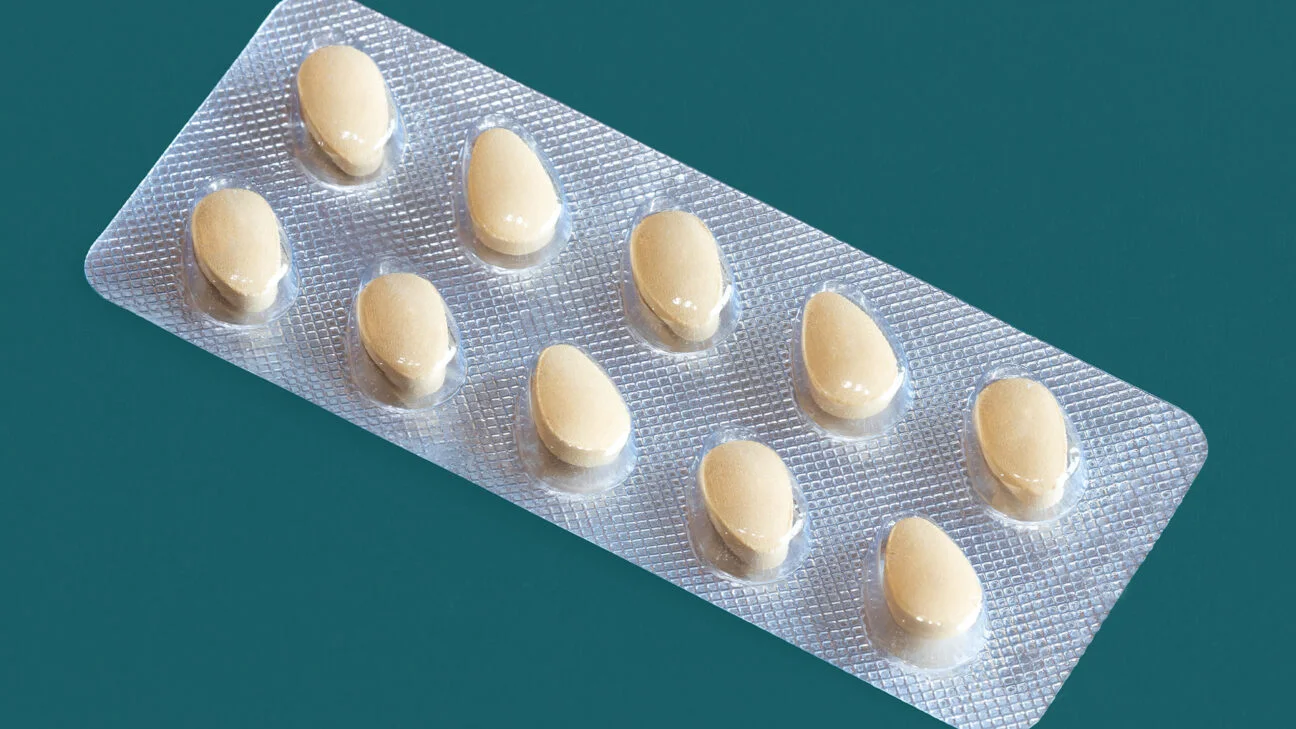
Cialis (tadalafil) is a widely prescribed medication for the treatment of erectile dysfunction (ED). It is known for its effectiveness and long duration of action. However, some men mistakenly believe that taking higher doses of Cialis will enhance its effectiveness, especially when using generic versions. This article explores why taking higher doses of Cialis is not advisable, the potential risks involved, and what is needed to help make Cialis work effectively. It also addresses the misconception that generic Cialis is less potent than the branded version.
Understanding Cialis and Its Mechanism
Cialis belongs to a class of drugs known as phosphodiesterase type 5 (PDE5) inhibitors. It works by relaxing the blood vessels in the penis, which increases blood flow and helps achieve and maintain an erection during sexual stimulation. Cialis is effective when taken as prescribed and with adequate sexual arousal.
Recommended Dosage and Administration
The typical starting dose of Cialis for most men is 10 mg taken prior to anticipated sexual activity. Depending on efficacy and tolerability, the dose can be adjusted to 20 mg or reduced to 5 mg. For daily use, a lower dose of 2.5 mg to 5 mg is prescribed. It is essential to follow the recommended dosage guidelines and not exceed the maximum recommended dose of 20 mg per day.
Why Higher Doses Are Not Advisable
1. Potential for Adverse Effects:
Taking higher doses of Cialis can significantly increase the risk of adverse effects. Common side effects of Cialis include headaches, flushing, indigestion, nasal congestion, and back pain. Higher doses can exacerbate these side effects, making the experience uncomfortable and potentially harmful. Severe side effects such as priapism (prolonged erection), sudden vision loss, and sudden hearing loss are rare but more likely to occur at higher doses.
2. Diminished Effectiveness:
There is a misconception that if a lower dose of Cialis does not work, taking more will improve its effectiveness. However, Cialis does not work in a dose-dependent manner beyond a certain point. Once the optimal dose is reached, increasing the dose will not enhance the drug’s effectiveness and may, in fact, reduce its efficacy. Excessive dosing can lead to tolerance, where the body becomes less responsive to the medication.
3. Cardiovascular Risks:
Cialis can lower blood pressure, which can be problematic for individuals with cardiovascular conditions. Taking higher doses can cause a significant drop in blood pressure, leading to dizziness, fainting, or even a heart attack or stroke, especially when combined with nitrates or other medications that lower blood pressure.
Addressing Misconceptions About Generic Cialis
Many men who take a generic version of Cialis might jump to the wrong conclusion that the generic is less potent or even fake if they do not achieve an erection. However, generic Cialis contains the same active ingredient (tadalafil) in the same strength as the branded version. Both are equally effective when used correctly. The lack of effectiveness is often due to factors such as inadequate sexual stimulation or underlying health conditions rather than the potency of the generic medication.
How to Make Cialis Work Effectively
1. Sexual Stimulation:
Cialis requires sexual stimulation to be effective. It does not cause an erection on its own; rather, it enhances the body’s natural response to sexual arousal. Engaging in foreplay and other forms of sexual stimulation is crucial for Cialis to work.
2. Proper Timing:
Cialis can be taken as needed or daily. For as-needed use, it should be taken at least 30 minutes before sexual activity, but it can remain effective for up to 36 hours. For daily use, it should be taken at the same time each day to maintain consistent levels in the body.
3. Avoiding Alcohol and High-Fat Meals:
Excessive alcohol consumption can impair the ability to achieve an erection and can also increase the risk of side effects such as dizziness. High-fat meals can delay the absorption of Cialis, making it less effective. It is advisable to limit alcohol intake and avoid heavy meals when taking Cialis.
4. Addressing Underlying Health Conditions:
Erectile dysfunction can be a symptom of underlying health issues such as diabetes, hypertension, or hormonal imbalances. Addressing these conditions with the help of a healthcare provider can improve the effectiveness of Cialis.
Conclusion
Taking higher doses of Cialis than recommended is not advisable due to the increased risk of adverse effects, diminished effectiveness, and potential cardiovascular risks. Generic Cialis is just as potent as the branded version, and taking more than the prescribed dose if it seems ineffective can do more harm than good. To ensure Cialis works effectively, it is important to follow the prescribed dosage, engage in sexual stimulation, and manage underlying health conditions. By understanding how Cialis works and adhering to medical guidelines, men can achieve better outcomes and avoid the pitfalls of overmedication.
References:
- “Tadalafil (Cialis) – Patient Information Leaflet.” FDA. Retrieved from FDA.gov.
- “Clinical Pharmacology of Tadalafil.” PubMed. Retrieved from PubMed.
- “Erectile Dysfunction: Cialis (Tadalafil).” Drugs.com. Retrieved from Drugs.com.
- “Cialis Dosage and Administration.” Mayo Clinic. Retrieved from MayoClinic.org.
- “Understanding the Risks of PDE5 Inhibitors.” American Heart Association. Retrieved from Heart.org.